
How to Invest in Art
Updated:
Investing in art can be a lucrative venture that combines passion with financial gain. Art investment appreciates over time, and with the right strategy, it can yield significant returns. Setting clear investment objectives is crucial for success. Whether you're a seasoned collector or a newcomer learning how to begin investing in art, understanding the nuances of the art market can significantly impact your investment outcomes.

Different Ways to Invest in Art
Sole Ownership
Sole ownership involves purchasing a piece of art outright, giving you complete control over the artwork. This traditional approach allows for personal enjoyment while the piece is appreciated in value. It also creates a direct emotional connection, allowing the artwork to become part of your daily life.
Art Investment Funds
Art investment funds pool resources from multiple investors to acquire high-value works. Managed by experts, they offer diversification and access to exclusive opportunities while reducing individual risk.

Fractional Shares
Fractional ownership allows multiple investors to share a single artwork, lowering the barrier to entry. This model increases accessibility and introduces liquidity into an otherwise traditional market.
Digital Art
Digital art and NFTs have introduced a new dimension to collecting. With blockchain authentication, they offer transparency, ownership security, and access to a rapidly evolving segment of the art market.
Tips for New and Experienced Art Collectors
We’ve gathered some quick and uncomplicated tips for new—and experienced—art collectors. Buying a new piece of art doesn’t have to be stressful—approach it with curiosity and confidence.
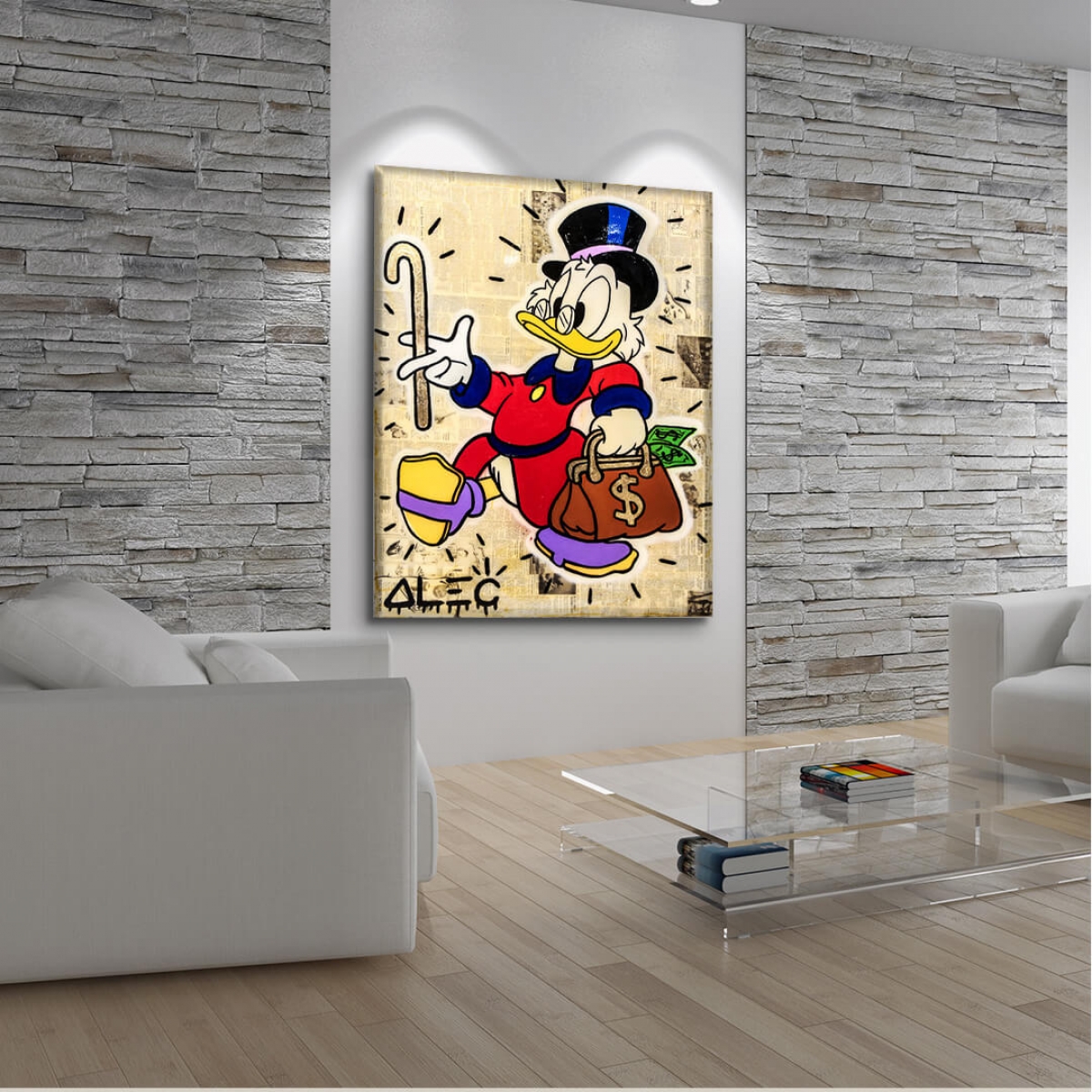
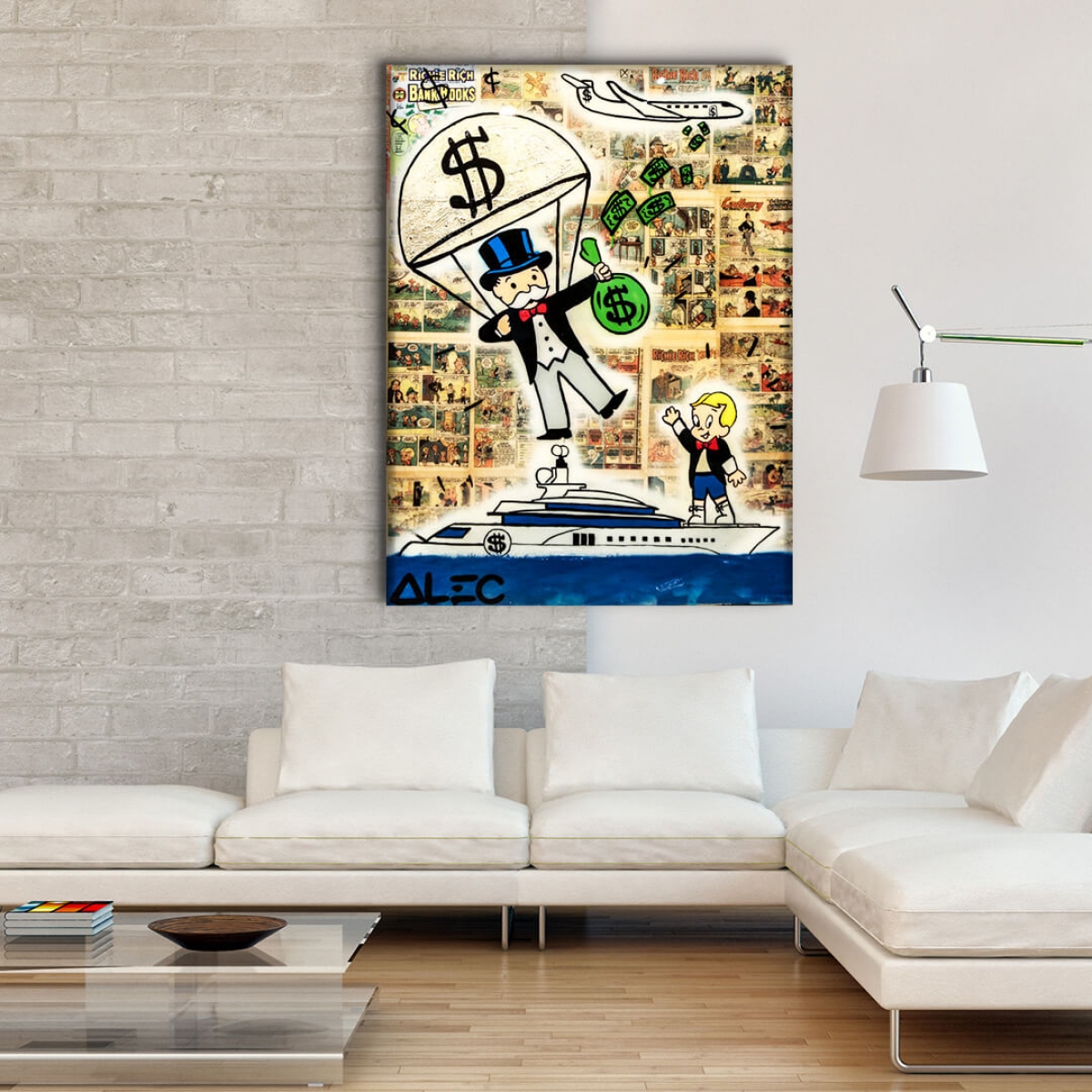
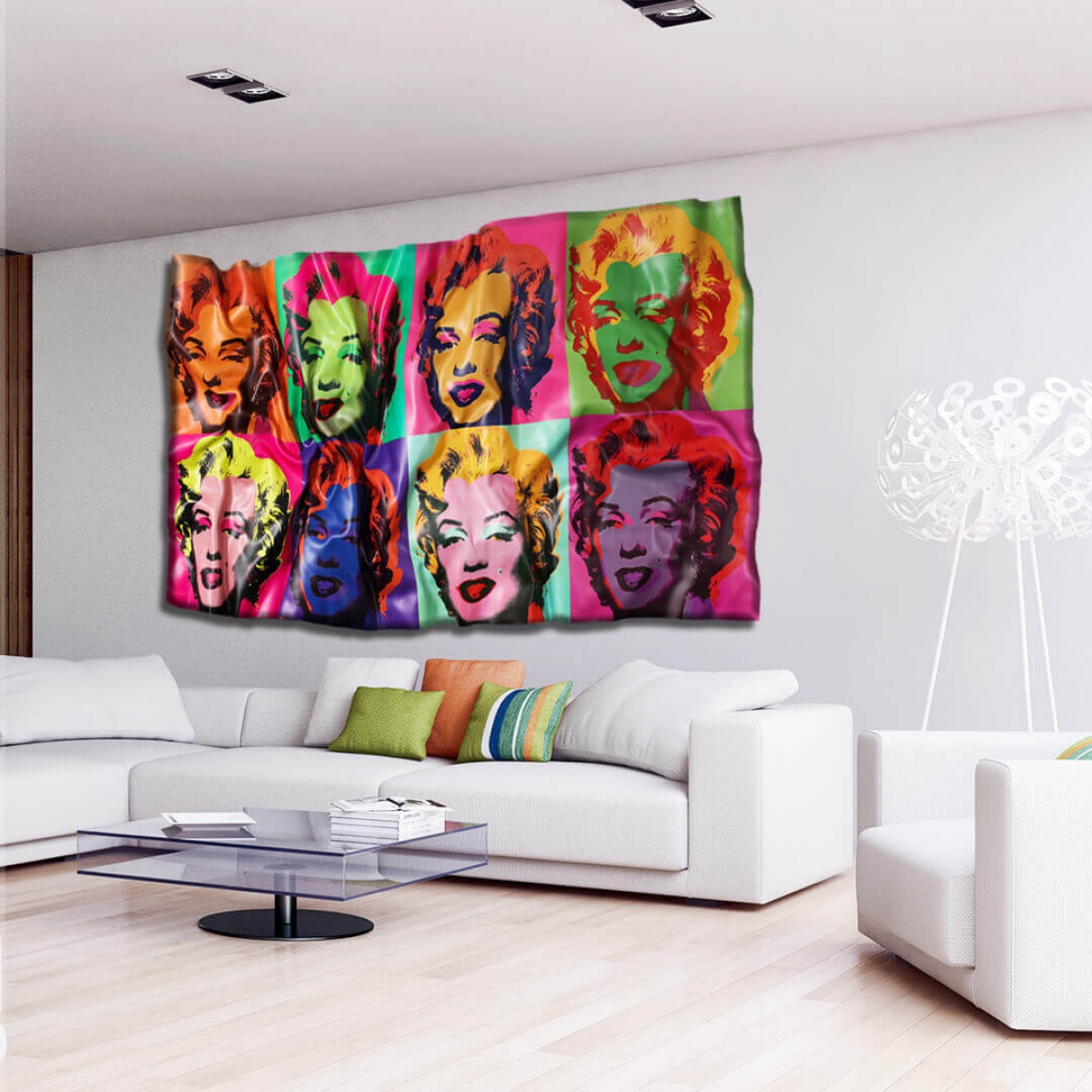
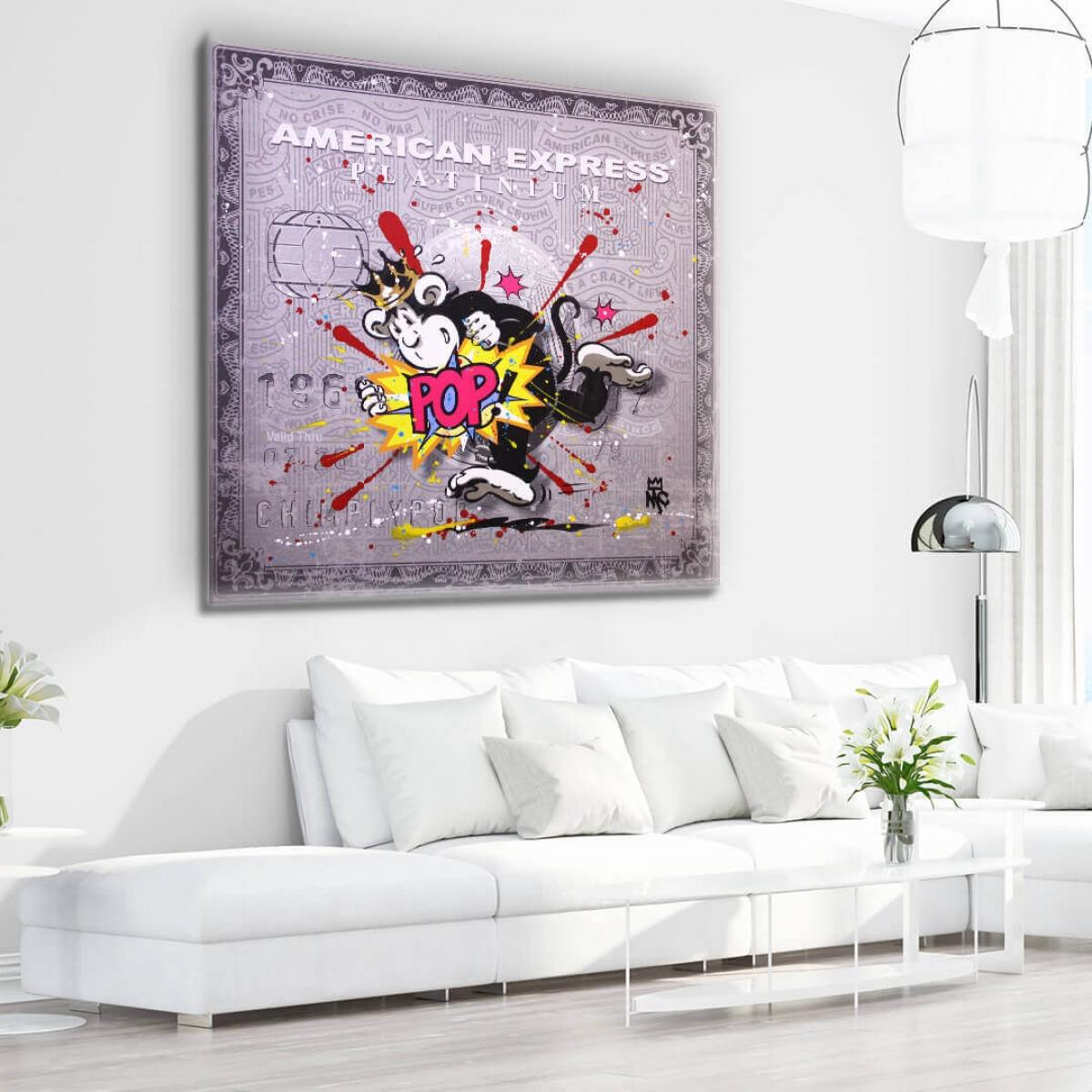
1. Don’t Be Intimidated
Art galleries can feel intimidating, but they shouldn’t be. Ask questions, explore freely, and use the experience to understand your taste.
2. Don’t Buy to Invest, Buy Something You Love
Most artworks won’t instantly increase in value, so focus on what you truly connect with. Art is personal—buy what you’ll want to live with every day.
3. Don’t Skip the Gallery Visit (if You Can!)
Whenever possible, see the artwork in person. Scale, texture, and presence are impossible to fully capture online.
4. Don’t Spend More Than You Can
Set a realistic budget and stick to it. A thoughtful purchase is always better than an impulsive one.
5. Don’t Forget the Details
Consider framing, shipping, installation, and authenticity. These details are essential to a successful and stress-free purchase.
Start Investing in Art
Investing in art can be both financially rewarding and personally fulfilling. By understanding the market and making informed decisions, you can build a meaningful and valuable collection.
Explore curated works at EDEN Gallery and begin your journey into art collecting.